Northern Vietnam Motorbike Packing Checklist
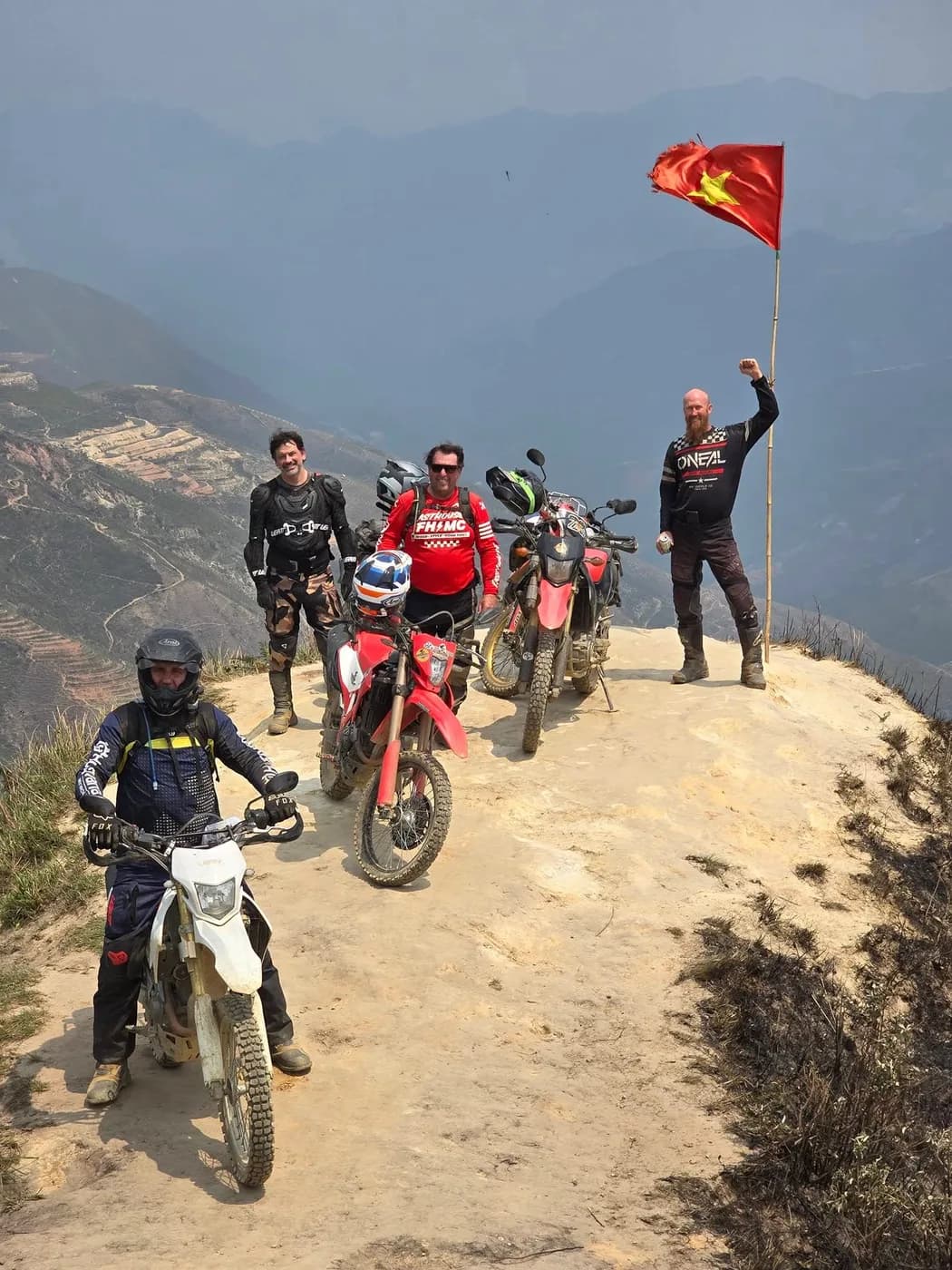
Pack for a northern Vietnam motorbike trip in three parts: the protective equipment you wear, the small set of items you need during the day, and the dry clothes and essentials you need at night. Confirm how luggage will be carried before deciding which bag to bring.
The right amount is what fits the motorcycle's approved luggage arrangement and your trip, not a universal number of litres. A passenger and a solo rider may have very different available space. An itinerary with a support vehicle, if one is confirmed, is different again.
Ask about luggage before you pack
Request the bag dimensions or weight limit, the fastening method and whether the bag must be waterproof. Ask who secures it, whether it remains on the bike during stops and how you access it during the day.
If you want to leave a suitcase behind, confirm storage location, opening hours, security arrangements and how you will collect it. Do not assume a one-way tour returns to your starting accommodation or that storage is included.
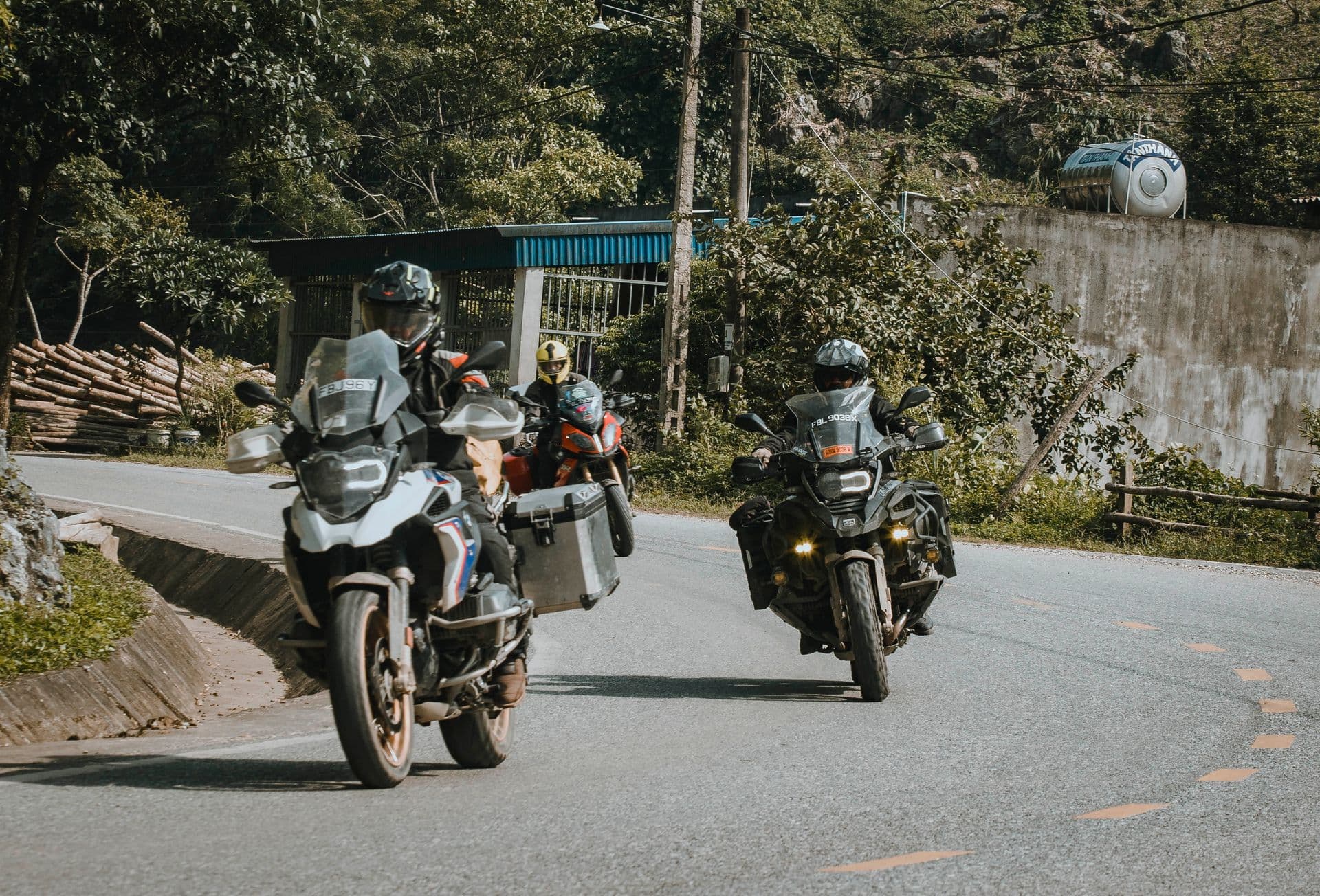
Avoid carrying everything in a heavy backpack for the whole riding day. Discuss an appropriate luggage setup with the operator and follow the motorcycle manufacturer's load limits. The Motorcycle Safety Foundation notes that a passenger and additional weight affect handling, and that the motorcycle's load limits must be respected.
Prioritise protective equipment
Put protective gear ahead of spare outfits. Check fit and condition before departure, especially if you plan to borrow or rent equipment.
- A properly fitting motorcycle helmet that meets an appropriate recognised safety standard, with its fastening secure.
- Suitable eye protection, such as a clear, undamaged visor.
- Motorcycle gloves that fit without restricting your controls or grip.
- A protective riding jacket and trousers made for abrasion resistance.
- Over-the-ankle riding footwear with suitable grip.
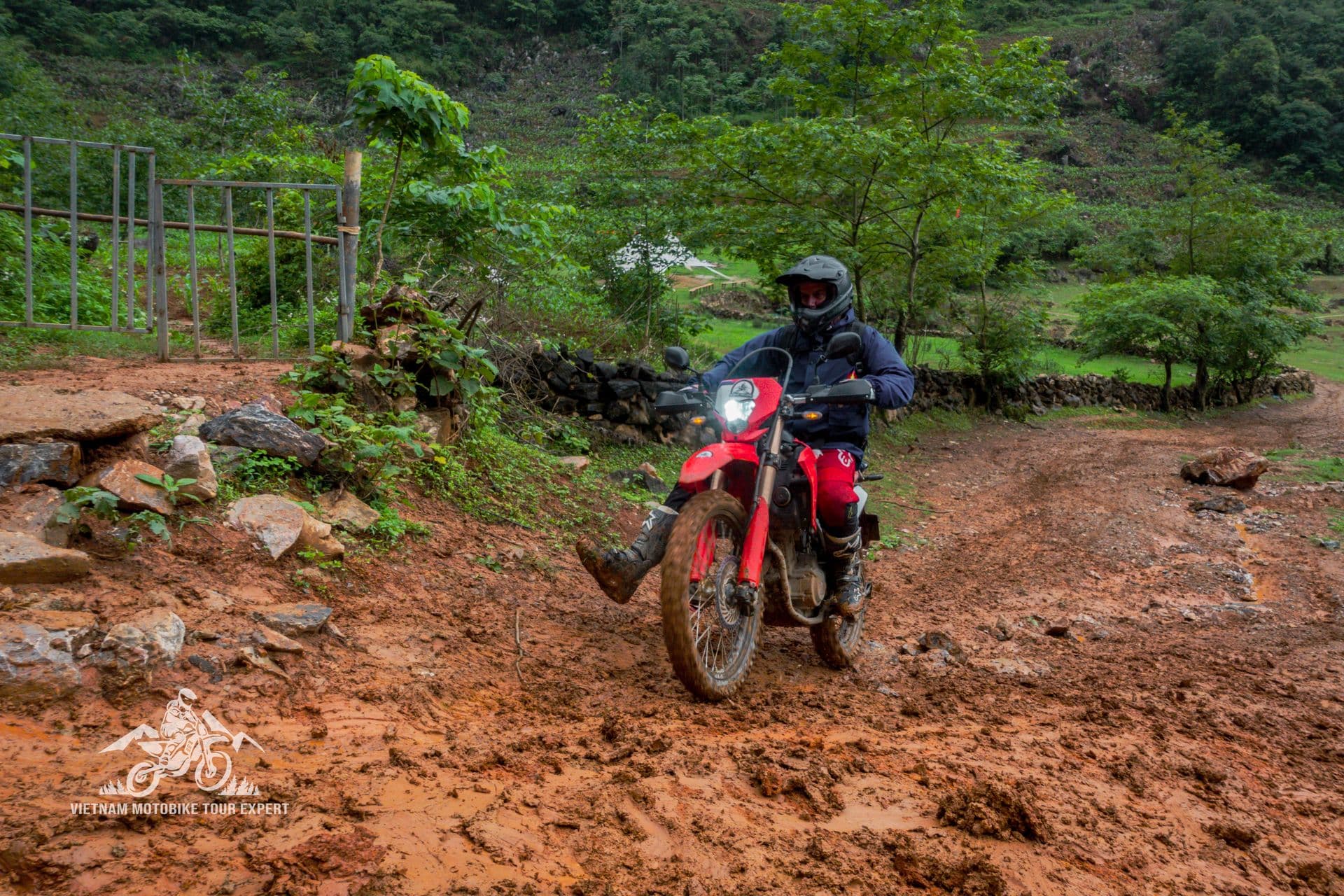
- Waterproof outer protection that works with the rest of your equipment.
The Motorcycle Safety Foundation explains the role of helmets, eye protection, gloves, boots and protective clothing. The same need for proper gear applies when you ride as a passenger. Our motorbike gear guide covers protective equipment to discuss with the operator.
Ask what the operator supplies and in which sizes. “Helmet included” does not tell you whether it fits you. Test the complete setup while seated on the bike before luggage is secured, and raise any problem before the journey begins.
Pack layers for mountain conditions
Do not build your clothing list around the temperature in Hanoi alone. Vietnam Tourism describes Sapa's colder winter conditions and warmer, stormier summer period; other stops on your route may differ. Check forecasts for the actual places and elevations you will visit.
A practical starting set is a comfortable base layer, an insulating layer, waterproof protection and a separate dry outfit for the evening. Adjust quantities for the duration, forecast and confirmed laundry options.
Keep at least one change of clothing dry inside a sealed inner bag. An outer bag advertised as water-resistant may not protect its contents through sustained rain. Separate wet equipment from clothes you need for sleep and do not pack damp items against travel documents or electronics.
Keep a small day kit accessible
Decide what you might need during a short stop without opening the main luggage:
- Drinking water and a small snack.
- Sunscreen and any personal items you use regularly.
- Phone, charging cable and a power bank.
- A waterproof pouch for documents and essential electronics.
- A little cash in useful denominations, kept separate from your main reserve.
- A compact first-aid kit and your personal medicines, with any necessary documentation.
- Tissues, hand sanitiser and a bag for carrying out rubbish.
Keep the kit compact and secure. Do not leave straps, scarves or cords dangling near moving or hot parts of the motorcycle. Before setting off, check that luggage does not interfere with the rider, passenger, lights or controls.
For medicines and health needs, get personal advice before travel where appropriate and check current import rules. Do not share medicines or assume that another traveller's packing list covers your needs.
Bring the documents for your actual role
Take identification and the travel documents you need for the itinerary. Drivers also need the appropriate original driving documents for their situation and the vehicle, not just a photograph of a licence. Confirm the current requirements before departure.
Keep offline copies separately as a backup, but do not treat copies as a substitute where originals are required. Store your insurance details, emergency-assistance contact, accommodation information and operator contact where you can reach them if your phone loses signal or power. Use the motorbike travel insurance checklist to prepare your cover questions before departure.
Share the route and contact arrangements with someone you trust. Agree how you will communicate changes rather than promising constant connectivity throughout the trip.
Prepare electronics for stops rather than riding
Download relevant maps and booking details before you leave. Carry enough charging capacity for your own devices and check whether your accommodation has suitable sockets. Do not assume every motorcycle has a charging port.
Choose one camera setup you can pack securely. Stop in a safe place before taking photographs or adjusting navigation. The CDC advises travellers not to use mobile phones while driving and warns against night driving in unfamiliar or rural areas.
If you are bringing a drone, verify the current permissions and restrictions for the exact area before the trip. Do not assume that scenic countryside or a border-area viewpoint is an unrestricted flying location.
Leave space for the activities you booked
If the trip includes walking, bring appropriate footwear and a light bag for the time away from the motorcycle. Ask where riding equipment will stay during the activity. If it includes a boat ride, confirm safety arrangements with the operator rather than adding equipment to compensate for an unsuitable service.
Choose evening clothing that can serve more than one purpose. Take only the toiletries you need, and avoid packing a second large set of “just in case” items that someone else has already confirmed will be provided.
Make one final check with everything loaded
Try the luggage arrangement before departure. Check that you can sit comfortably, reach the appropriate footrests and move as needed without the bag pushing against you. Ask the operator to inspect the fastening and load distribution.
Keep tomorrow's essentials accessible, secure everything else and make sure nothing has been left charging in the room. If the load does not fit safely, reduce it or arrange another transport solution before leaving.
Common questions
Can I take a suitcase
Do not assume it can travel on the bike. Ask about confirmed storage or separate luggage transport before bringing one to the departure point.
Do passengers need riding gear
Yes. Being a passenger does not remove the need for suitable protective clothing and a properly fitting helmet.
What should I check with AZ Motorbikes
Ask for the equipment and luggage arrangements for your specific booking, including sizes, limits, waterproofing and storage. Pack around the confirmed answers rather than assuming every tour provides the same setup. Contact AZ Motorbikes about luggage and equipment if any arrangement is still unclear.