Plan a Sapa and Mu Cang Chai Rice Terrace Trip
If rice terraces are the reason for your northern Vietnam trip, choose your dates and daily pace around the fields you want to see. Sapa and Mu Cang Chai both reward time beyond the main road, but a photograph of golden terraces does not guarantee the same view on your travel dates.
For a first plan, decide whether your priority is green fields, harvest colour or flooded terraces during planting. Then ask for recent local observations and keep the route flexible enough to respond. Combining both destinations can make sense on a longer journey. On a shorter trip, choosing one and spending more time there may be the better decision.
Know which landscape you are planning for
Sapa is a mountain town overlooking a landscape of valleys and working rice terraces, with Fansipan above the area. Vietnam Tourism highlights both walking and stays outside the town centre as ways to spend time in that landscape.
Mu Cang Chai is another major terrace destination in northwestern Vietnam. Its appeal includes the cultivated hillsides themselves, so it is worth planning stops where you can leave the bike safely and spend time looking or walking with permission. Our Northwest Vietnam destination guide provides context for other stops in the region.
Avoid choosing between them solely on the promise that one is “authentic” and the other is not. These are lived-in places, and the quality of your visit depends partly on the routes, hosts and activities you choose.
Use the harvest season as a starting window
Vietnam Tourism places Mu Cang Chai's harvest period broadly in September and October. Planting and water-pouring dates vary; confirm the current farming schedule for the specific area you plan to visit. These are useful planning windows, not a calendar appointment for every terrace.
Fields do not all change together. Elevation, local farming schedules and weather can affect what you see. A visit near the end of a broad harvest window may find some fields cut while others still hold colour.
Ask a precise question when requesting an update: “Which areas currently have standing rice, and when were your photos taken?” That is more useful than asking whether it is the best month. If your dates are fixed, choose the route around what is there rather than expecting the landscape to match an old image.
Plan Sapa dates separately
Do not assume Sapa and Mu Cang Chai share an identical crop calendar. Use each destination's current local conditions when arranging a combined journey.
Sapa's mountain weather also needs its own plan. Vietnam Tourism describes a cool highland climate with mist, cold winters and occasional frost around Fansipan. Its general weather guide recommends preparing for cold conditions in winter and rain in the warmer part of the year.
Clear views cannot be guaranteed by booking a particular month. If a panorama is the main reason for a stop, allow some flexibility in timing and have another worthwhile activity available when cloud obscures it.
Choose one destination or give both enough time
Choose a Sapa-focused trip if you want a base from which to combine local travel with walking and other activities. Ask how much time the itinerary spends in the town and how much it spends in the surrounding area. You can also review the six-day Northwest Vietnam tour via Sapa. Check the daily itinerary and confirm the arrangements for your dates.
Choose a Mu Cang Chai-focused trip if the terraces are your central interest and you prefer to structure the days around landscape stops. Check which viewpoints are accessible by the proposed vehicle and which need walking or another arrangement.
Choose both when you have room for the connecting journey as well as time at each destination. Request the actual route, not a straight-line distance between towns. Road conditions, gradients, stops and available accommodation determine whether a day is manageable.
Avoid making your only day in either destination an arrival afternoon followed by an early departure. If the main purpose is to spend time in the fields and villages, those hours need to appear in the schedule.
Give the motorbike itinerary time off the bike
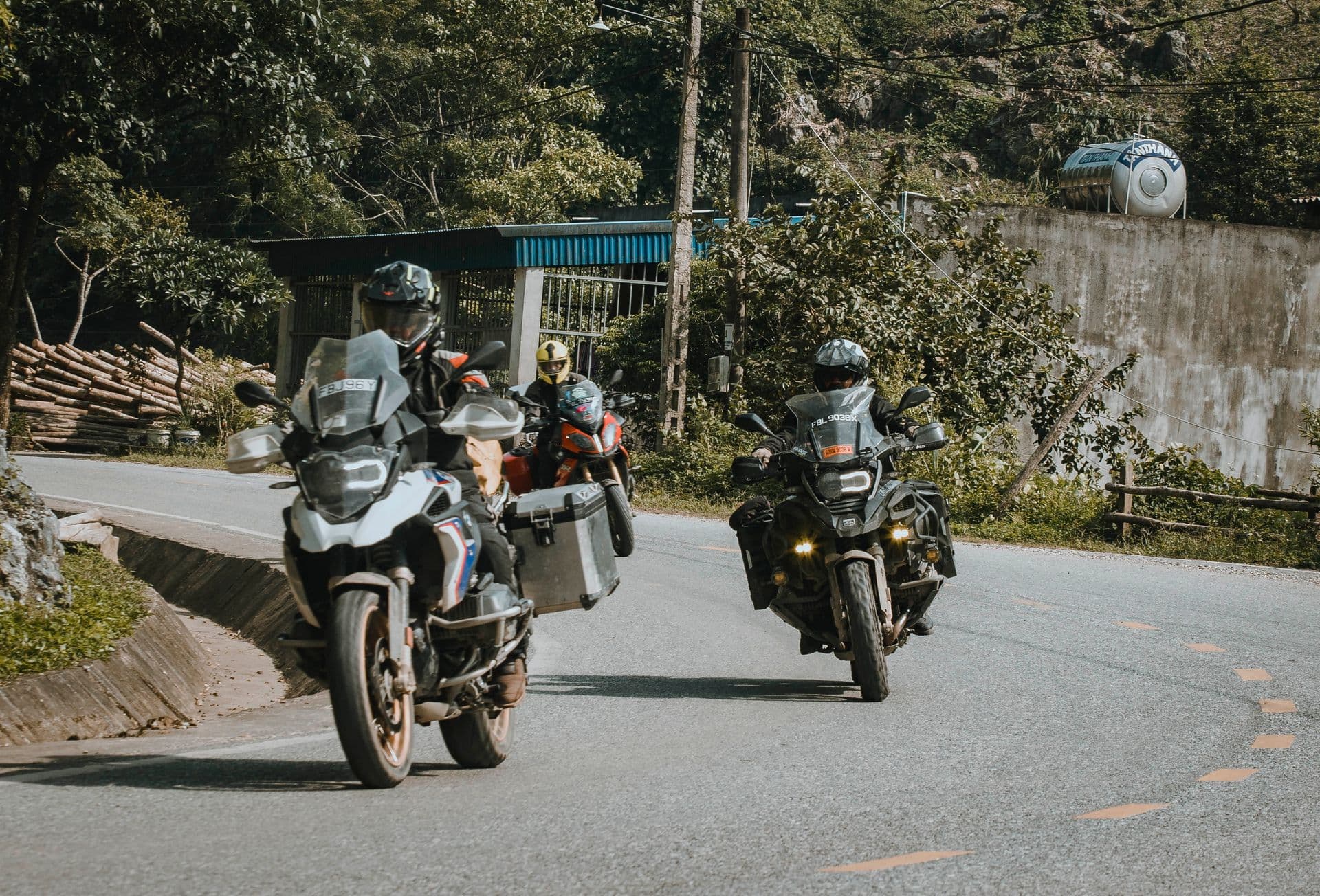
A motorbike can connect landscapes, but it does not replace walking or talking with a local host. Reserve a block of time for a guided walk, a planned village visit or simply a longer stop where visitors are welcome.
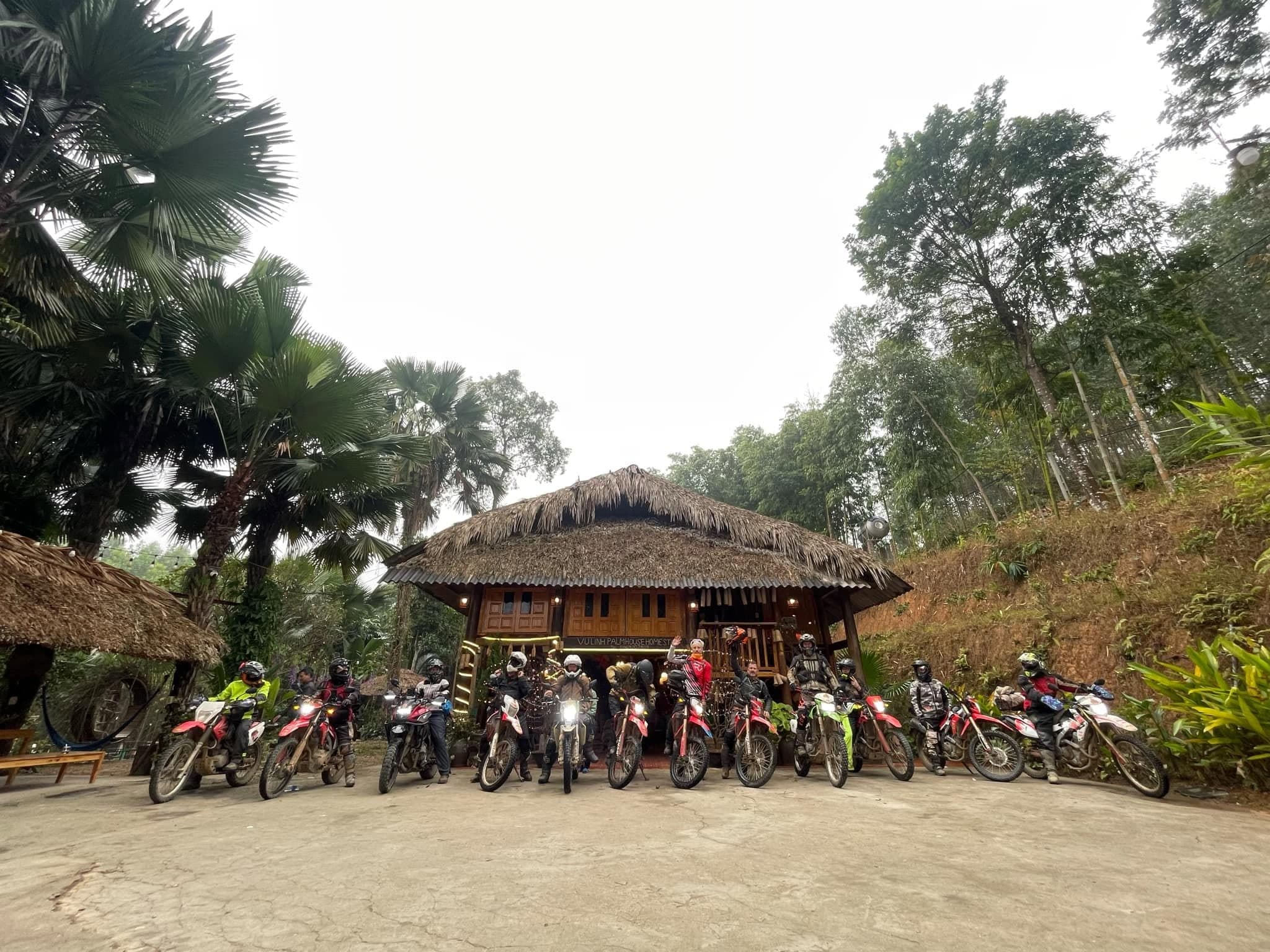
Discuss luggage before committing to a walk. Ask where helmets and riding equipment will be stored and what you should carry. If the route includes a homestay, confirm bathroom arrangements, sleeping space and meal requirements rather than relying on the word alone.
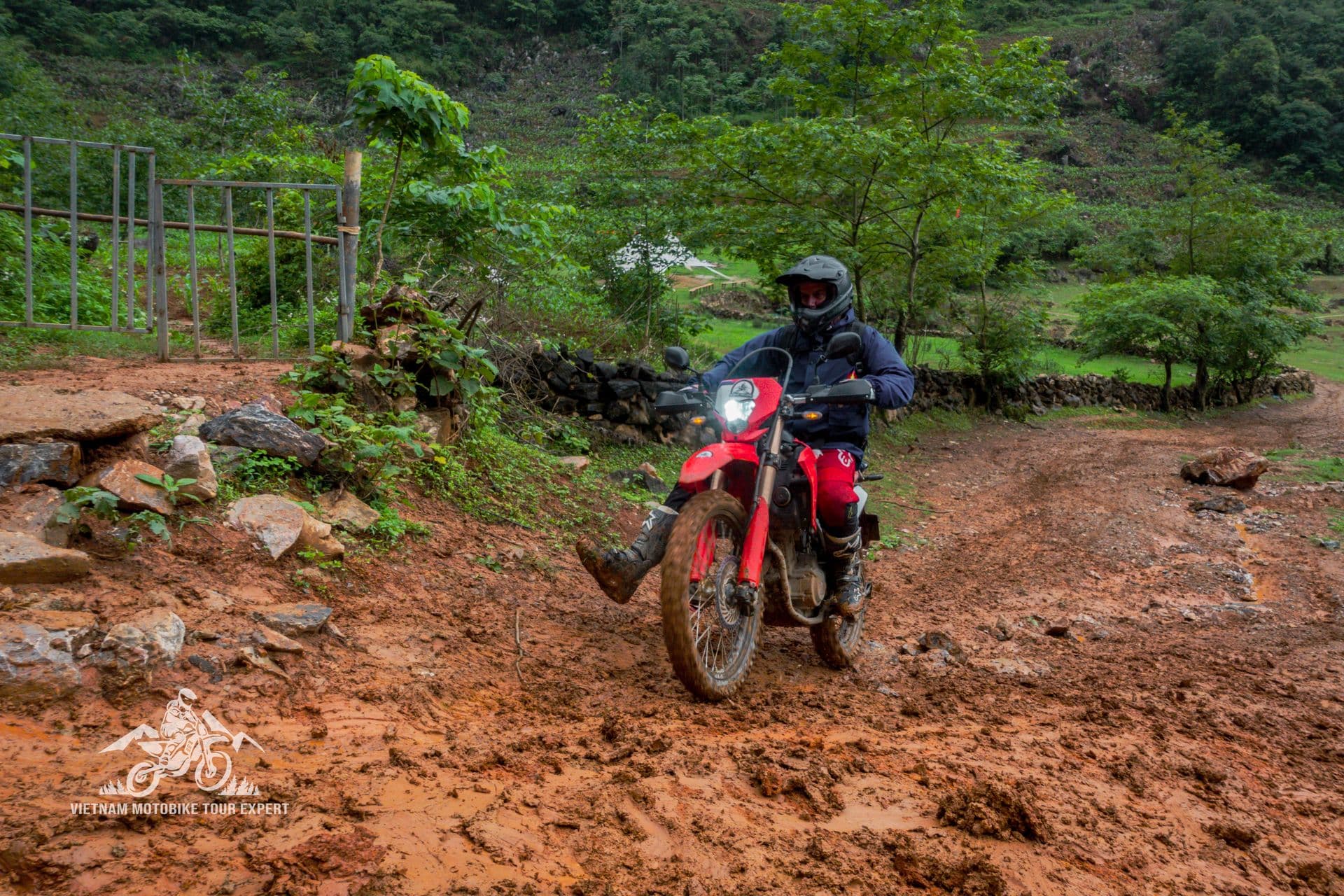
Tell the operator whether you prefer paved roads. A trail that looks appealing in a video may be steep, wet, privately used or unsuitable for your experience. Ask whether unpaved sections are optional and what the alternative would be.
Photograph working landscapes respectfully
Terraces are farmland. Stay on permitted paths, do not step into crops and ask before entering a field or using a private viewpoint. If people are working, give them space and ask before taking close photographs.
Buy a service or product because you want it and agree the price clearly. Avoid expecting people to pose as part of the scenery. For visits to homes or workshops, follow the host's guidance about shoes, dress and photography.
Vietnam Tourism's responsible-travel guidance encourages support for local businesses and respect for customs. Apply that advice in practical ways: use an agreed local visit, keep rubbish with you and let farming work continue without obstruction.
Pack for the route rather than Hanoi weather
Take a warm layer and waterproof protection even if the journey begins in warm conditions. Keep a dry change of clothes separate from items used during the day. Wear protective riding equipment for every stage and bring suitable footwear for any planned walk. Use our northern Vietnam motorbike packing checklist to organise layers, documents and day essentials.
Do not book a demanding riding day immediately after a sleepless transfer. Tell the operator about your experience and comfort level before choosing self-ride or passenger travel, and verify the insurance that applies to your role and motorcycle.
Common questions
Which month guarantees golden terraces
None. September and October are a broad planning window for Mu Cang Chai, but individual fields and harvest dates vary. Obtain a recent local update rather than relying on a guarantee.
Can I combine Sapa and Mu Cang Chai on one trip
Yes, as a route concept, if you allow for the connecting travel and meaningful time at both. Ask AZ Motorbikes to propose a route around your dates and interests, then check the daily riding time and surfaces before booking.
Is the trip still worthwhile outside harvest
It can be, if you want mountain landscapes, local walks and time in the region rather than one specific colour of rice. Set that expectation before choosing your dates, and plan activities that do not depend on a clear panoramic view.